Car Key Replacement by Vehicle Make and Model — What Actually Goes Into the Job
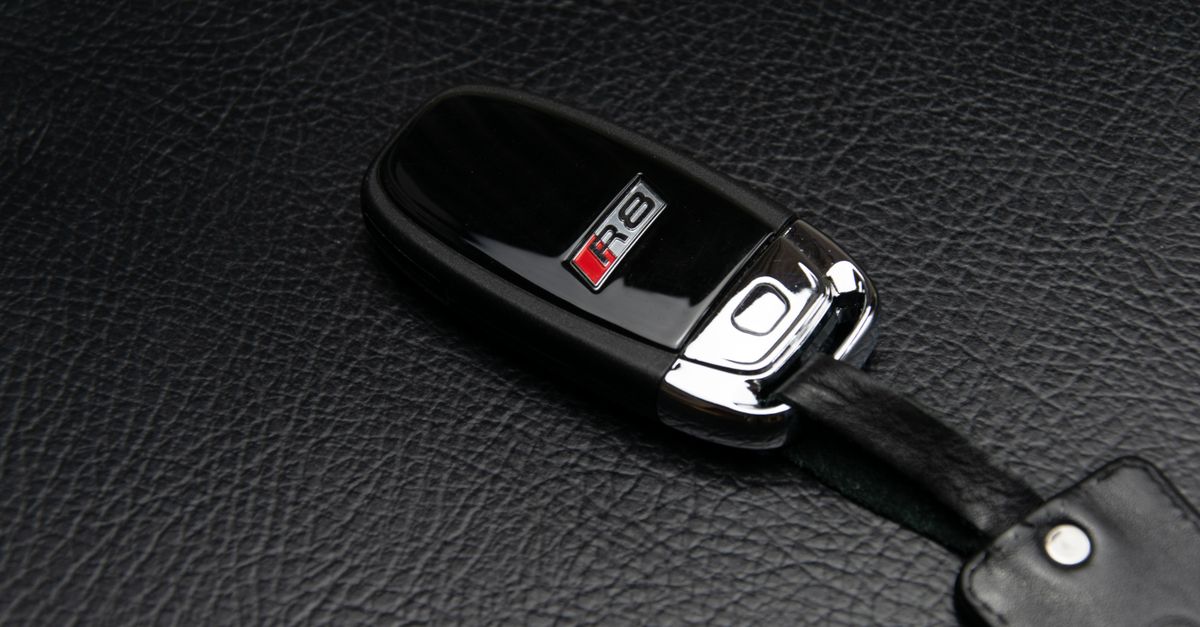
Not all replacement keys are created equal, and the process varies significantly depending on your vehicle. A basic mechanical key for an older domestic truck is cut to code using your VIN — a straightforward job our mobile technicians handle roadside without any drama. Step up to a mid-2000s Honda or Toyota and you add a transponder chip that must be initialized to your car's immobilizer module. Move into late-model Ford F-Series trucks, Chevrolet Silverados, Dodge RAM pickups, or virtually any European marque — BMW, Mercedes-Benz, Audi, Volkswagen — and you are dealing with proximity fobs or smart keys that require two-way encrypted pairing via OBD-II diagnostics. Our technicians are trained on each of these distinct programming protocols and carry the appropriate blank shells and high-security blade stock to match factory specifications.
Columbus drivers put serious miles on their vehicles navigating I-270, the interchanges around Dublin, and the stop-and-go of downtown surface streets — keys wear out faster than most people realize. We handle the full spectrum: single-sided and double-sided cut keys, laser-cut (sidewinder) high-security blades used on many GM and Ford models, flip keys that unfold from the fob body, and fully integrated smart keys where the transponder and fob are one sealed unit. Every vehicle type has a different labor profile, parts cost, and programming time, which is why we always assess your specific year, make, model, and key type before quoting. You get one clear number before we touch anything.