What Is a Mortise Lock and Why Columbus Homes Rely on Them
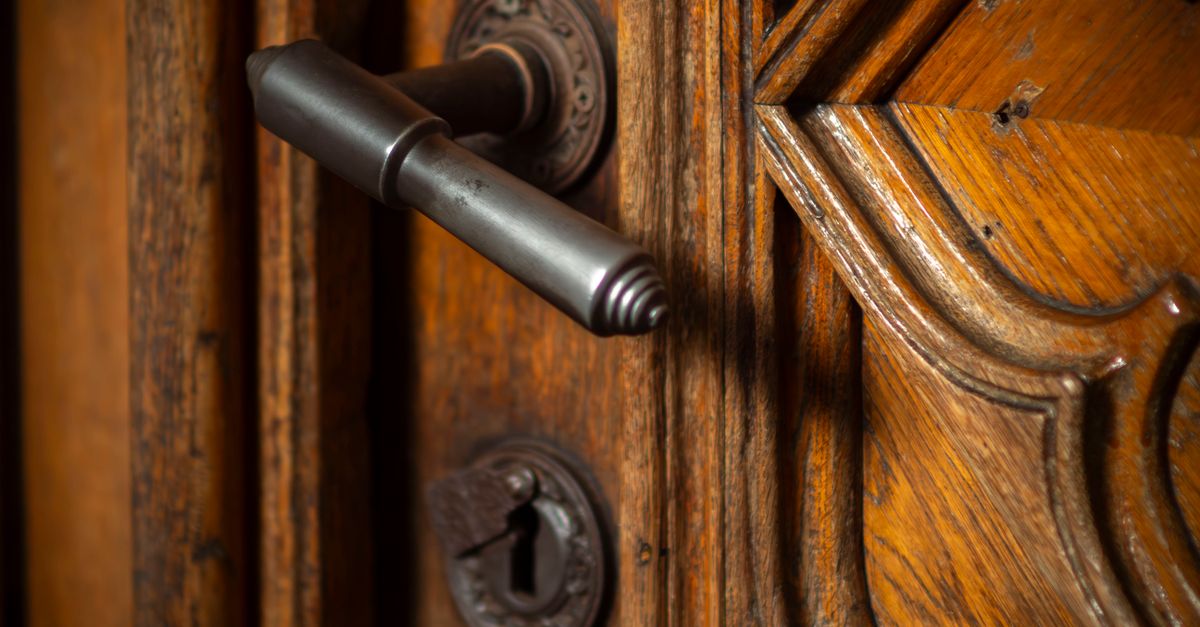
A mortise lock is a complete locking mechanism that is recessed into a deep rectangular pocket — the mortise — cut into the edge of the door. Unlike a cylindrical lockset that sits in a simple bored hole, a mortise lock set houses the latch bolt, deadbolt, and in many cases the strike mechanism all within a single steel or cast-iron case. This design makes it inherently stronger than surface-mounted alternatives because the case is surrounded by solid door material on three sides. For historic Columbus neighborhoods like German Village, Victorian Village, and the University District, where original wooden doors are 3.5 to 4.5 inches thick, the mortise format was the only practical choice — and it still is. These doors were not built for retrofit cylindrical hardware without significant modification, which means repairing or rebuilding the existing mechanism is almost always the smarter path.
The internal anatomy of a mortise lock includes a series of levers or pin tumblers inside the mortise lock cylinder, a series of cams that translate key rotation into bolt movement, springs that return the latch, and a spindle that connects the interior and exterior knobs or lever handles. When one part fails, the whole mechanism can feel dead — the key turns but nothing moves, the knob spins freely, or the door refuses to latch. Understanding which specific component has failed is step one, and that is exactly what our technicians diagnose on-site before recommending any repair or replacement path.