Why Door Knob Lock Replacement Is More Than a DIY Swap
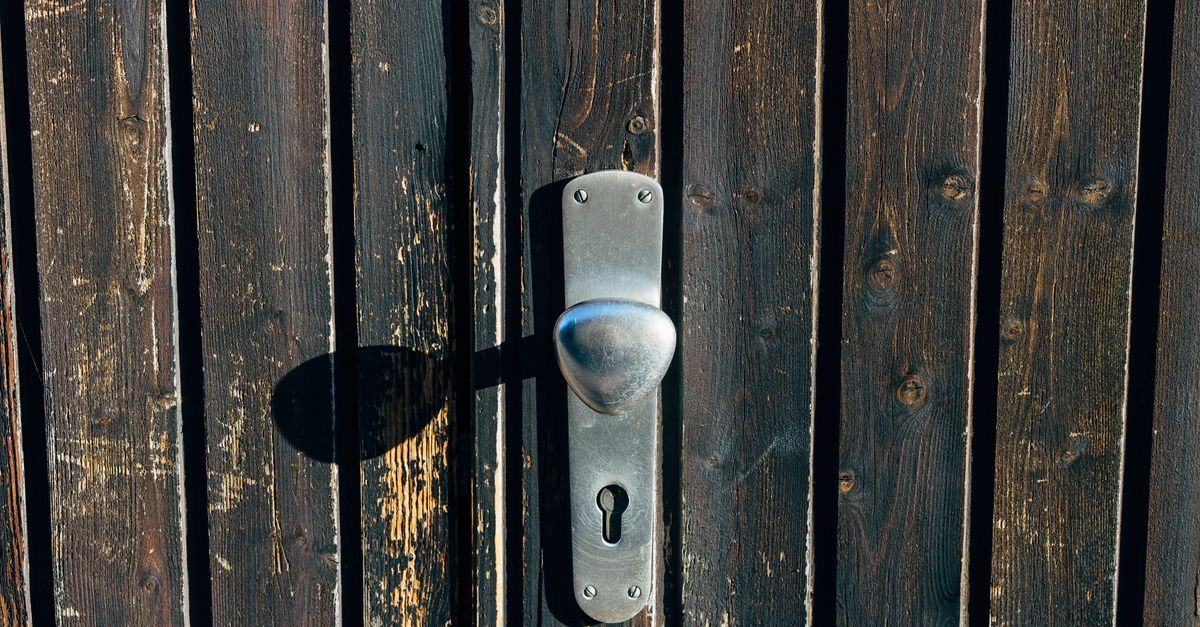
A failing door knob with lock looks simple on the outside — two rosettes, a spindle, a latch — but the internal cylinder, cam, and tailpiece tolerances matter enormously for both security and smooth operation. A mismatched replacement can leave gaps around the rose plate that invite forced entry, bind the latch so the door will not close fully, or accept a key that wiggles the plug without actually rotating the cam. These are not cosmetic problems; they are security vulnerabilities. Our technicians assess the door's existing prep work, measure the backset (typically 2-3/8 inch or 2-3/4 inch on Columbus residential stock), and confirm the cross-bore diameter before selecting hardware — details that a straight shelf swap routinely misses.
Exterior door knob locks also interact with deadbolts, strike plates, and door frames in ways that affect your whole entry system. If the frame is worn or the strike plate has shifted — common on older Columbus homes that have settled — replacing only the knob without addressing the strike alignment means the new hardware will fail faster than the old set did. We look at the full picture: door alignment, frame condition, hinge wear, and whether the existing mortise lock pocket, if present, needs any remediation before the new unit seats correctly.