Oliver Locksmith Service Team
Local locksmith team
Jul 10, 2026 11 min read
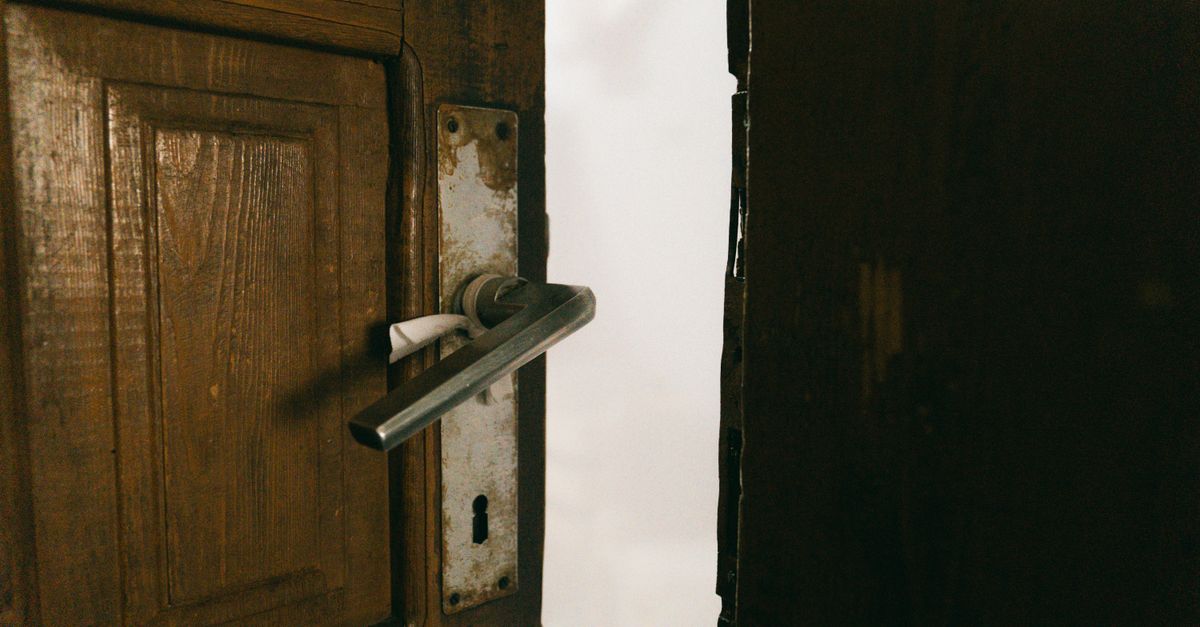
If you live in German Village or Clintonville, there is a good chance your front door does not behave like anyone else's front door in Columbus. The bolt feels heavier, the key has an unusual profile, and the hardware sitting flush in the door edge looks nothing like the cylindrical knob-and-latch sets sold at hardware stores. That is a mortise lock — a precision mechanism engineered into a deep rectangular pocket cut into the door stile — and it has been doing its job in these neighborhoods since the late 1800s and early 1900s. These locks are one of the reasons German Village rowhouses on Schiller Park and craftsman bungalows along North High Street in Clintonville feel so solid underfoot: the hardware was built to last generations, not product cycles.
The challenge is that 'built to last generations' is not the same as 'maintenance-free.' Springs fatigue, cams wear, tailpieces crack, and the cast brass or steel internals eventually show their age. When a mortise lock starts misbehaving, Columbus homeowners face a real decision: call a professional locksmith for a repair, or swap in a modern replacement? This article walks through why historic Columbus homes rely on this style of hardware, what goes wrong and why, and how to decide whether repair or replacement makes more sense for your situation.
## Why German Village and Clintonville Homes Still Run Mortise Locks
German Village was platted by German immigrants in the 1840s and 1850s, and most of its brick rowhouses were complete well before Ohio's centennial. Clintonville's housing stock arrived in waves between roughly 1900 and 1940, when bungalows, foursquares, and Tudor revivals lined the streetcar corridors. Builders in both eras specified mortise locks because that was simply the best available residential hardware — and because Columbus buyers at the time expected it. The mortise lock's mechanism lives entirely inside the door, leaving only a slim faceplate exposed on the edge and a trim escutcheon on the face. That design resists forced entry far better than a surface-mounted rim lock and spreads stress across the full thickness of the door rather than concentrating it around a single hole.
Many of these original units are Corbin, Sargent, or Yale castings from the early twentieth century — heavy, well-toleranced, and often still functional after 80 or 100 years. Columbus's Historic Preservation Office actively encourages retaining original hardware on contributing structures in German Village, and some deed restrictions or renovation guidelines discourage wholesale replacement of period-appropriate features. Even where there is no regulatory pressure, the aesthetic argument is strong: a properly maintained antique mortise lock on an original door looks exactly right in a way that a modern door knob lock simply does not.
## Common Mortise Lock Failures and What Causes Them
After decades of use, the most frequent failure point is the main spring — a flat or coil spring that returns the latch bolt after each operation. When it weakens or breaks, the latch no longer snaps back, and the door stops latching on its own. A close second is the cam, a small eccentric piece that converts the rotation of your key or thumb-turn into linear bolt movement. Worn or cracked cams produce that unsettling feeling of the key turning further than it should before anything happens. Tailpieces — the thin metal bar that connects the interior knob spindle to the lock body — are also prone to shearing, especially when someone forces a stiff lock instead of calling a locksmith first.
On older Clintonville homes with original wood doors, seasonal movement is a compounding factor. Columbus winters and humid summers cause door frames to swell and shrink measurably, which puts lateral stress on the faceplate and can gradually push the lock body out of alignment with the strike plate. The bolt either rubs constantly or, in summer, misses the strike entirely. Homeowners sometimes mistake this for a failing lock when the real issue is a misaligned strike — a much simpler fix. Finally, the cylinder itself can wear to the point where the key lifts pins inconsistently, causing hard starts or outright failures to turn. A skilled locksmith can often re-pin or replace just the cylinder insert while leaving the expensive body untouched.
## Repair vs. Replace: Making the Right Call for Your Home
The decision to repair or replace a mortise lock comes down to three things: the condition of the lock body, parts availability, and your long-term goals for the door. If the cast housing is intact and the mechanism is complete — meaning no missing or improvised parts — repair is almost always worth pursuing first. Springs, cams, tailpieces, and cylinders for common early-twentieth-century American makes are still sourced through architectural salvage suppliers and specialty hardware distributors, and an experienced locksmith who works regularly with period hardware can often complete a full rebuild on-site. The result is a lock that looks original because it is original, operates smoothly, and continues protecting your home for another generation.
Replacement makes more sense when the body itself is cracked or corroded beyond saving, when the door has been re-hung or replaced and the original pocket no longer exists, or when the homeowner wants modern keying features — like a restricted keyway or a re-keyable cylinder that works across multiple entry points. In those cases, quality modern mortise lock bodies from established hardware lines can be fitted to the existing pocket with minimal modification, preserving the flush-mounted aesthetic that makes these doors look right. What you want to avoid is replacing a mortise lock with a standard door knob lock or a bored cylindrical deadbolt, which requires cutting a new hole pattern into an irreplaceable historic door and leaves you with visibly mismatched hardware. If you are unsure which path suits your door, the best move is to have a qualified locksmith assess it in person before any work begins. Our team at Oliver Locksmith is available around the clock — call (614) 324-1160 and we can arrange an on-site evaluation at a time that works for you.
## What a Professional Mortise Lock Service Visit Looks Like
When an Oliver Locksmith technician arrives at your German Village or Clintonville home, the first step is a full door and frame assessment — checking alignment, measuring the existing pocket depth, and inspecting the faceplate and strike for wear or damage before the lock body is removed. The lock is carefully extracted from the pocket (on old doors this requires patience; paint layers and decades of settling can make the faceplate stubborn), and the mechanism is disassembled on a work surface to identify every worn or broken component. You will receive a clear explanation of what is failing and why, along with the options available, before any repair or replacement work begins. There are no surprises on the final invoice — the price is confirmed up front, and it reflects factors like the specific lock model, whether parts need to be sourced, the complexity of the repair, and the time of the service call.
Once the repair or rebuild is complete, the lock is re-installed, the door is tested through multiple full cycles, and the strike plate is adjusted if the bolt is not engaging cleanly. If the cylinder is being re-keyed or replaced, new keys are cut and verified on the spot. The goal is a door you can trust completely when you close it behind you — not one that works most of the time. Oliver Locksmith operates as a fully mobile locksmith service across Columbus, which means our technicians carry a broad inventory of springs, cams, cylinders, and replacement mortise bodies in the van, reducing the likelihood that a repair requires a second visit.
## Oliver Locksmith Services: A Complete Picture for Columbus Homeowners and Drivers
While mortise lock repair and restoration is a specialty we are proud of, Oliver Locksmith handles the full range of locksmith needs across the Columbus area — residential, commercial, and automotive. Our services include mortise lock repair and rebuild, mortise lock replacement and new installation, door knob lock installation and repair, deadbolt installation and upgrade, residential re-keying, master key system design and installation, lock-out response for homes and businesses, emergency locksmith response at any hour, high-security cylinder upgrades, smart lock and keypad lock installation, lock hardware consultation for historic properties, mailbox lock repair and replacement, window lock installation, sliding door lock service, garage entry door lock service, padlock and hasp installation, key duplication (standard, laser-cut, and high-security), broken key extraction, lock cylinder re-pinning, commercial locksmith services for offices and retail spaces, access control hardware installation, file cabinet and desk lock service, safe lock service and combination changes, automotive key cutting and programming, transponder and proximity key replacement, car key fob programming, ignition lock cylinder service, vehicle lockout response, and trunk release service. Whether you are a homeowner in Clintonville dealing with a century-old latch, a business owner on High Street who needs a commercial-grade deadbolt, or a driver locked out in German Village on a Sunday night, our mobile team is equipped and ready. Call (614) 324-1160 — we answer 24/7.
## How to Choose a Reliable Locksmith Columbus — and What to Ask Before Work Starts
Choosing a locksmith for historic hardware is not the same as choosing one for a standard residential deadbolt. You want someone with hands-on experience with period mechanisms, not just familiarity with modern bored cylinders. Before any work begins, ask directly: have you worked on mortise locks from this era before? Can you source internal parts, or will you be recommending a full replacement by default? What is included in today's service call, and what would trigger additional costs? A trustworthy locksmith will answer those questions plainly and without pressure. They will also confirm an exact price before touching your lock — not a vague estimate that climbs once the door is open. Factors that legitimately affect what a service call costs include the type of lock and door, the time of day (overnight and weekend calls involve different logistics than a Tuesday afternoon), travel distance, and whether parts need to be supplied. A straightforward locksmith will walk through all of those factors with you on the phone before dispatch, so you are never guessing.
One question worth asking specifically is about what is sometimes called a locksmith call-out fee — a charge that covers the technician's travel and time regardless of the work performed. At Oliver Locksmith, we are transparent about how our pricing is structured before we arrive, so you understand exactly what you are agreeing to. We are insured, and our technicians are trained and experienced across both historic residential hardware and modern security systems. If you are in German Village, Clintonville, or anywhere across the broader Columbus area, we are the team to call.
Frequently asked questions
How much does a locksmith Columbus cost for a mortise lock repair?+
There is no single flat figure because several variables shape the final price: the age and model of the lock body, whether internal parts need to be sourced separately, the complexity of the repair versus a straightforward cylinder swap, the time of day, and the distance to your address. An overnight or weekend call involves different logistics than a weekday afternoon visit. What we can promise is that Oliver Locksmith confirms an exact price with you before any work begins — no estimates that change once the door is open. Call (614) 324-1160 and we will walk through the specifics of your situation before dispatch.
What should I ask a locksmith before hiring them to work on my historic door hardware?+
Start with experience: ask whether the technician has worked specifically on mortise locks from the early twentieth century, not just modern bored cylindrical locks. Ask whether they carry common internal parts — springs, cams, tailpieces — or whether their default is to recommend a full replacement. Ask how pricing is structured, whether there is a call-out fee, and what would cause the price to change after arrival. A qualified locksmith will answer all of these questions directly and confirm a firm price before touching your door. Vague answers or pressure to approve work before pricing is clear are both red flags worth taking seriously.
Can you recommend an auto locksmith Columbus Ohio for someone locked out in German Village?+
Oliver Locksmith handles automotive lockouts across the Columbus area, including German Village, Clintonville, and surrounding neighborhoods. Whether you are locked out of a standard vehicle, need a transponder key programmed, or require an ignition cylinder serviced, our mobile team responds 24 hours a day, seven days a week. Ownership verification is part of every automotive lockout call — that step protects both you and the vehicle. Call (614) 324-1160 and a technician can be on the way regardless of the time.
What is a locksmith call-out fee, and does Oliver Locksmith charge one?+
A call-out fee is a charge some locksmiths apply to cover travel and the technician's time before any labor or parts are factored in — essentially a base cost for showing up. Whether and how it applies varies by company and by the specifics of a service call. At Oliver Locksmith, we are upfront about how our pricing works before we dispatch, so you know exactly what to expect before we arrive. Factors like travel distance, time of day, and the type of service requested all play into the final figure, and we confirm that figure with you in advance. There are no surprises on the invoice.